
In 2026, scaling a business is no longer about “doing a little bit of everything.” It’s about building a Growth Engine—a system where different digital channels feed into each other to create a whole that is greater than the sum of its parts.
If you treat Google Ads, SEO, Email, and Meta Ads as separate silos, you are leaving money on the table. Here is how to integrate these four pillars to scale your business profitably.
1. Google Ads: The “Capture” Phase
Google Ads (PPC) is your high-intent engine. While other platforms “interrupt” a user’s day, Google Ads answers a specific need the moment it arises.
-
The Strategy: Focus on bottom-of-funnel (BOF) keywords—terms that imply a “ready-to-buy” mindset (e.g., “best project management software for agencies”).
-
The 2026 Edge: Use Performance Max (PMax). By feeding Google’s AI high-quality customer data, it can automatically find your audience across Search, YouTube, and Display.
-
Scaling Tip: Don’t just bid on your competitors’ names; bid on the problems they solve. Use the data from winning ad copy to inform your SEO headlines.
2. SEO: The “Authority” Phase
SEO is your long-term wealth builder. While ads provide immediate traffic, SEO creates a compounding asset that lowers your average Customer Acquisition Cost (CAC) over time.
-
The Strategy: Move beyond simple keywords. In the era of AI-driven search, focus on Topic Authority. Create “pillar pages” that comprehensively cover a subject.
-
The Integration: Look at your Google Ads “Search Terms” report. If a specific keyword is converting at a high rate in your ads, create a dedicated, high-quality blog post for that term to capture organic traffic for free.
-
Scaling Tip: Optimise for “Zero-Click” searches. Provide enough value in featured snippets so that even if they don’t click, your brand becomes the trusted authority in their mind.
3. Meta Ads: The “Demand” Phase
If Google is for people looking for you, Meta (Facebook and Instagram) is for people who don’t know they need you yet.
-
The Strategy: Use Meta for Demand Generation. Use scroll-stopping video content (Reels) to highlight a pain point and present your business as the solution.
-
The Synergy: Retargeting is where the magic happens. If someone visits your site via an organic SEO link but doesn’t buy, “follow” them on Instagram with a Meta Ad featuring a testimonial or a limited-time offer.
-
Scaling Tip: Leverage Advantage+ Shopping Campaigns. Meta’s AI is now incredibly efficient at finding buyers if you give it high-quality creative assets and broad targeting.
4. Email Marketing: The “Retention” Phase
Email is the only channel you truly “own.” In a world of rising ad costs, your email list is your insurance policy. It turns one-time visitors into lifelong customers.
-
The Strategy: Set up Automated Nurture Sequences.
-
Abandoned Cart: Triggered when a Meta or Google lead leaves without buying.
-
Welcome Series: Educates new leads about your brand values.
-
-
The Scaling Edge: Use Segmentation. Don’t blast your whole list. Send specific offers to people who clicked on your “SEO Guide” vs. those who came from a “Google Search Ad.”
-
Metric to Watch: Focus on Customer Lifetime Value (CLV). It is much cheaper to sell to an existing subscriber than to acquire a new one via Meta.
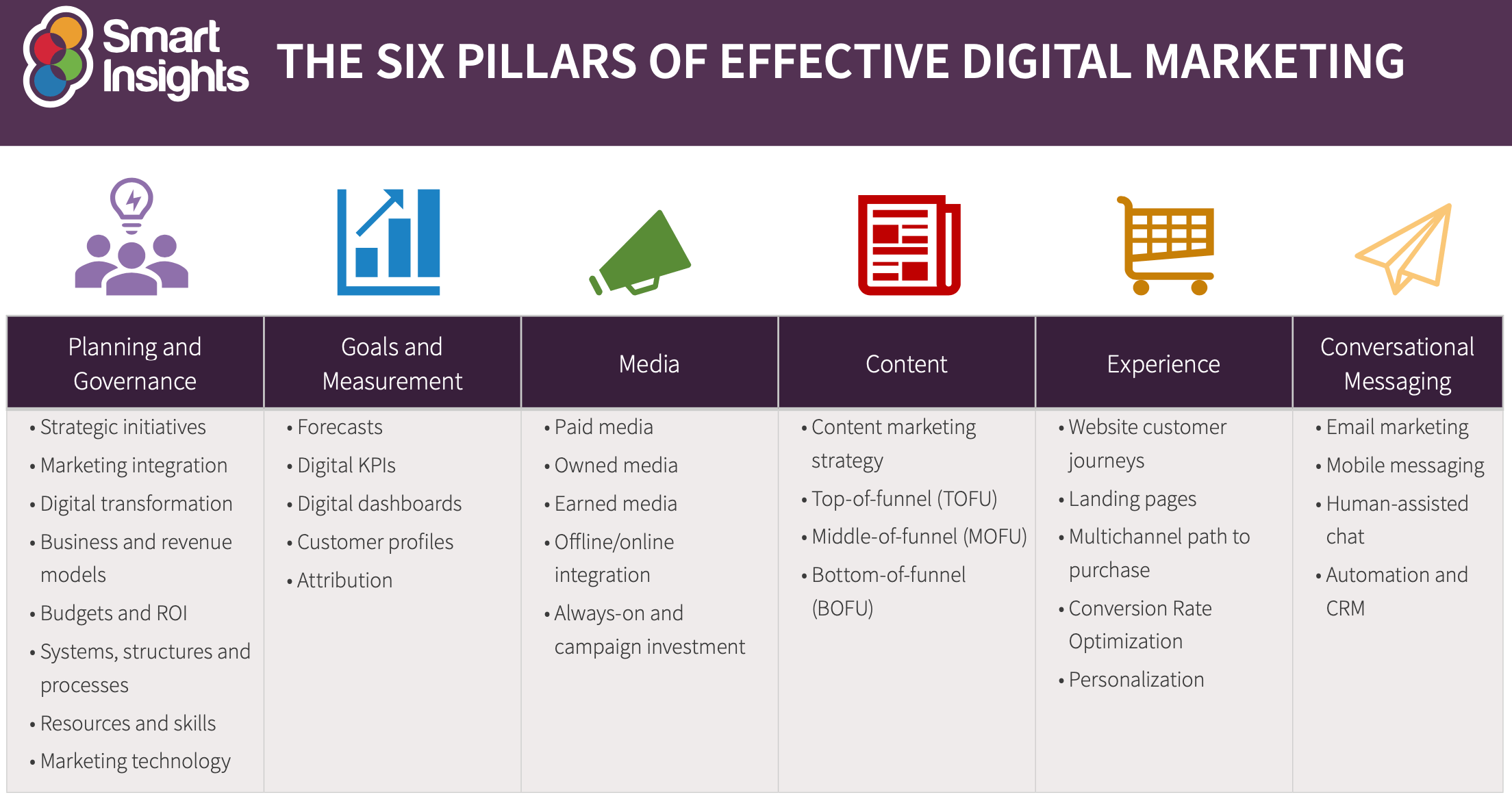
The Integrated Growth Loop
To scale, you must view these channels as a relay race:
| Channel | Primary Role | Success Metric |
| Meta Ads | Hook attention & build “The Dream” | CTR & Brand Awareness |
| SEO | Provide educational depth & trust | Organic Traffic & Time on Page |
| Google Ads | Close the deal for high-intent users | Conversion Rate & ROAS |
| Maximize repeat purchases | CLV & Open Rates |
Conclusion
Scaling isn’t just about spending more; it’s about Efficiency. When your Meta Ads warm up the audience, your Google Ads become cheaper. When your SEO builds trust, your Email conversion rates skyrocket.

4 comments