
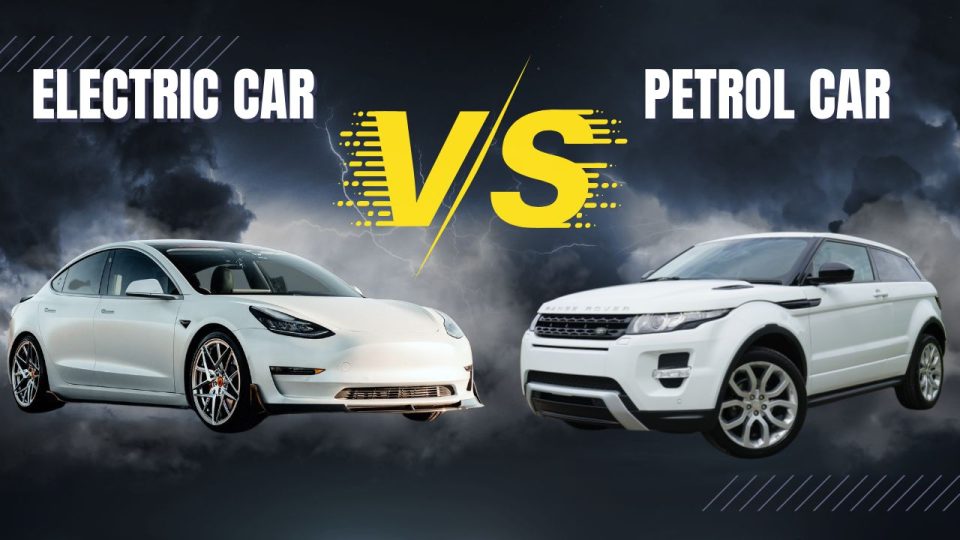
In 2026, the Australian automotive landscape has hit a historic turning point. For the first time, electrified vehicles (hybrids and EVs combined) have begun outselling pure petrol cars. While the “Great Aussie Road Trip” used to be the exclusive domain of the internal combustion engine (ICE), the rise of affordable models and a tightening New Vehicle Efficiency Standard (NVES) has made the choice between electric and petrol more nuanced than ever.
Electric Vehicles (EVs)
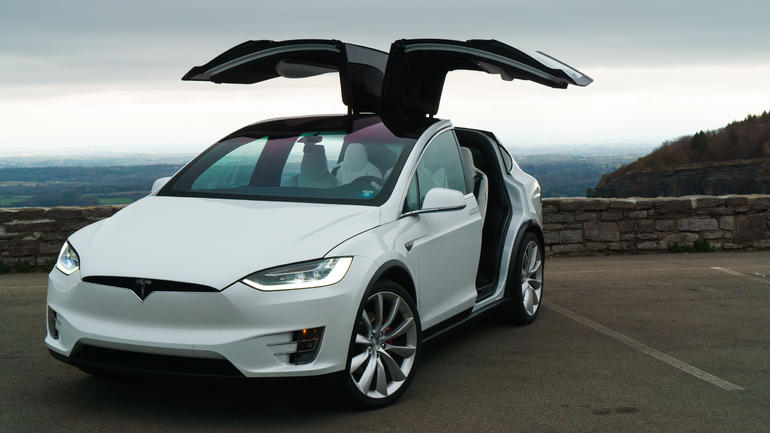
No longer just a luxury niche for Tesla owners, the EV market in Australia has exploded with budget-friendly options from brands like BYD, MG, and GWM.
Pros
-
Massive Fuel Savings: With petrol prices frequently spiking, charging an EV at home (especially if you have solar panels) can cost as little as $2–$5 per 100km, compared to $15–$25 for a petrol car.
-
Lower Maintenance: EVs have about 20 moving parts compared to 2,000 in a petrol engine. No oil changes, spark plugs, or timing belts mean servicing costs are roughly 40% lower.
-
Performance: Even “entry-level” EVs offer instant torque, providing a zippier, smoother, and quieter driving experience in stop-start city traffic.
-
Environmental Impact: With no tailpipe emissions, EVs are the primary tool for cleaning up urban air quality in cities like Sydney and Melbourne.
Cons
-
Upfront Cost: Despite prices dropping (the BYD Atto 1 launched at roughly $24,000), EVs still generally carry a price premium over equivalent small petrol cars.
-
Charging Infrastructure: While the “National EV Charging Network” is expanding, long-haul travel in regional Australia still requires careful planning. “Range anxiety” remains a factor for those in the Outback.
-
Towing Hurdles: While electric utes like the HiLux EV have arrived, towing heavy loads significantly reduces an EV’s range compared to a diesel or petrol equivalent.
Petrol Cars (ICE)
Petrol cars are the “old faithful” of the Australian road, but their dominance is fading as manufacturers pivot toward electrification.
Pros
-
Convenience & Range: You can find a petrol station in almost any town in Australia. Refilling takes 5 minutes, and a full tank can easily take you 600–800km.
-
Lower Initial Price: For buyers on a strict budget, the cheapest new cars on the market are still predominantly petrol-powered.
-
Familiarity: Every mechanic in the country knows how to fix a petrol engine, making them a safer bet for those living in very remote areas.
Cons
-
Running Costs: Petrol is a volatile expense. Over 5 to 10 years, the “cheap” petrol car often ends up costing more than an EV due to fuel and maintenance.
-
Resale Value Risk: As Australia moves toward 2030, the resale value of pure petrol cars may drop as buyers shift toward EVs and hybrids.
-
Carbon Footprint: High emissions are increasingly being penalized through the NVES, which may lead to higher registration costs for “gas guzzlers” in the future.

2018 Audi Q5 Review – Preview Drive | Practical Motoring
The Verdict: What is best in Australia right now?
The “best” car depends entirely on your postcode and lifestyle:
-
The City Dweller: If you live in a metro area and can charge at home or work, an EV is the clear winner. The savings on fuel and the ease of city driving outweigh any remaining cons.
-
The Regional Commuter: If you frequently drive long distances but have a fixed destination, a Long-Range EV is excellent, but a Hybrid is often the “sweet spot” for 2026.
-
The Outback Adventurer: If your life involves heavy towing across the Nullarbor or through the Top End, Petrol (or Diesel) remains the most practical choice—for now.
What the Future Holds
Australia’s transition is accelerating. By 2030, it is estimated that over 60% of new car sales will be electric.
We are moving toward a “Mobile Battery” future. Technologies like Vehicle-to-Grid (V2G) are becoming mainstream in 2026, allowing Australians to use their parked cars to power their homes during peak electricity price periods. Furthermore, as solid-state battery technology matures, the 1,000km-range EV is on the horizon, which will likely be the final nail in the coffin for the petrol engine’s long-distance advantage.

1 comment