
How the Stainless Trading Process Works
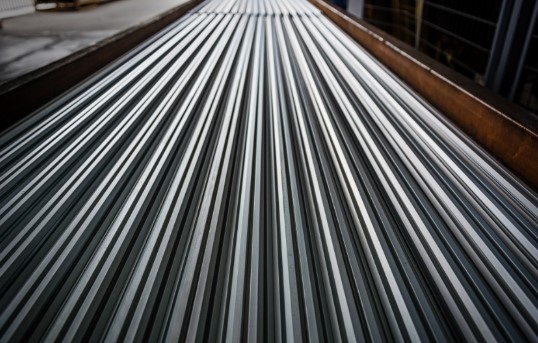
The stainless trading process usually starts with sourcing. Traders get materials from mills or manufacturers. These materials can come in standard sizes or large rolls and slabs.
After sourcing, the materials are stored in warehouses. This allows traders to respond to customer orders quickly. Some traders also offer basic processing, such as cutting or polishing, to meet specific requirements.
When a customer places an order, the trader prepares the material and arranges delivery. This step is important because timing matters in many industries. Delays can slow down projects, so reliable delivery is key.
The stainless trading process may vary by region, and stainless trading in Australia plays a key role in supplying materials to industries such as construction and manufacturing.
Types of Stainless Steel Products in Trading
In stainless trading, products come in many forms. Each type is used for different purposes.
Sheets and plates are flat pieces of metal. These are often used in construction, manufacturing, and equipment making. Pipes and tubes are used in plumbing, oil systems, and industrial setups. Bars and rods are common in machining and structural work.
There are also different grades of stainless steel. Each grade has its own properties, such as strength, resistance, and cost. Traders need to understand these differences so they can supply the right product to the right customer.
Why Stainless Trading Is Important
Stainless trading plays a big role in keeping industries running smoothly. Without it, businesses would have to deal directly with manufacturers, which can be difficult, especially for smaller companies.
Traders make the process easier by offering smaller quantities, flexible options, and faster delivery. This helps businesses save time and reduce storage costs.
Another reason it matters is availability. Stainless traders keep stock ready, which means customers don’t have to wait for long production times. This is especially useful in urgent projects where delays are not acceptable.
Who Is Involved in Stainless Trading?
Several groups are involved in stainless trading. Manufacturers produce the steel. Traders buy and distribute it. Customers include construction companies, factories, workshops, and even small businesses.
Some logistics providers handle transportation. Warehousing teams manage storage and inventory. Each part of the chain plays a role in making sure materials reach the right place at the right time.
Challenges in Stainless Trading
Like any industry, stainless trading comes with its own challenges. One common issue is price changes. The cost of raw materials can go up or down, which affects trading prices. Traders need to stay updated and adjust quickly.
Another challenge is quality control. Customers expect consistent quality, so traders must work with reliable suppliers. Even small defects can cause problems in production.
Storage and handling are also important. Stainless steel must be stored properly to avoid damage. Scratches or contamination can reduce its value.
Finally, competition is strong in this field. Many traders offer similar products, so service, pricing, and trust become key factors in standing out.
How Traders Add Value
Stainless traders do more than just buy and sell. They add value in several ways.
One way is by offering processing services. Instead of selling raw materials only, they can cut or shape the steel according to customer needs. This saves time for the buyer.
Another way is through technical support. Experienced traders can guide customers on choosing the right grade or type of stainless steel. This is helpful for businesses that may not have deep knowledge of materials.
Traders also help with supply planning. By understanding customer demand, they can ensure materials are always available when needed.
The Role of Relationships in Stainless Trading
Relationships are very important in stainless trading. Traders rely on strong connections with suppliers to get good prices and a steady supply. At the same time, they build trust with customers by providing reliable service.
Long-term relationships often lead to better deals and smoother transactions. In many cases, repeat business is a big part of success in this industry.
Technology in Stainless Trading
Technology is slowly changing how stainless trading works. Digital systems help track inventory, manage orders, and monitor prices. This makes operations more efficient and reduces errors.
Online platforms are also becoming more common. Customers can browse products, check availability, and place orders without needing long discussions. While traditional methods are still used, digital tools are making the process faster and more convenient.
Sustainability and Stainless Steel
Stainless steel is known for being recyclable. This makes it a more sustainable option compared to some other materials. In stainless steel trading, recycling plays a role in supply.
Scrap stainless steel can be collected, melted, and reused. This reduces waste and helps lower the demand for raw materials. Many traders are now paying more attention to sustainable practices, as customers are becoming more aware of environmental impact.
Tips for Getting Started in Stainless Trading
For those interested in entering stainless trading, it’s important to start with basic knowledge. Understanding different types of stainless steel and their uses is a good first step.
Building connections is also key. Finding reliable suppliers and gaining customer trust can take time, but it’s worth the effort.
Managing stock carefully is another important factor. Having too much inventory can tie up money, while too little can lead to missed opportunities.
Finally, staying updated on market trends helps traders make better decisions. Prices, demand, and supply can change, so being informed is always helpful.
Future of Stainless Trading
The future of stainless trading looks steady, as demand for stainless steel continues in many industries. Construction, manufacturing, and infrastructure projects all rely on it.
There may be more focus on efficiency and digital tools. Faster communication and better data tracking can improve how traders operate.
Sustainability will also likely play a bigger role. More businesses are looking for eco-friendly materials and practices, which could shape how stainless steel trading develops in the coming years.
Conclusion
Stainless trading may seem complex at first, but at its core, it’s about connecting supply and demand. It helps businesses get the materials they need simply and efficiently.
From sourcing and storage to delivery and support, traders play an important role in the process. They make it easier for industries to operate without delays or complications.
By understanding how stainless trading works, you can see its value in everyday products and large-scale projects. Whether you are a business owner, a student, or just curious, knowing the basics can give you a better view of this essential industry.

9 comments